Winter's coming. Is your home ready?
A little work in November can save you a lot of hassle in January. The checks below are simple, most of them take minutes, and they cover the parts of your home that work hardest once the cold sets in.
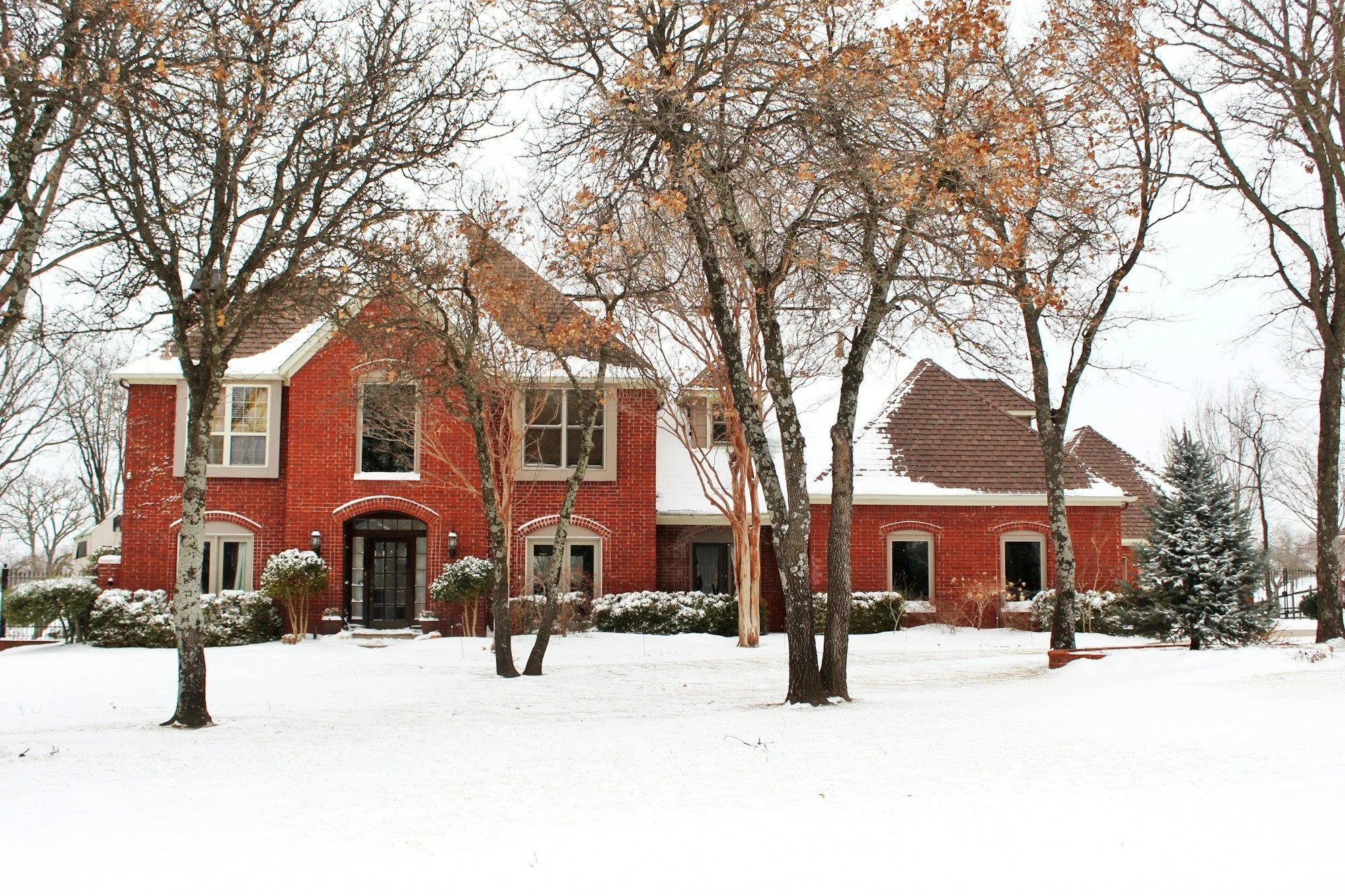
A family home covered in snow at the start of winter
Over two weeks, I walked through a pre-winter home check on my YouTube channel. Week one covered heating, alarms, and getting ready for snow. Week two focused on drafts and moisture. This post puts both together in one place, so homeowners in Newmarket, Aurora, Richmond Hill, and across York Region can work through it at their own pace.
One note before you start: every home is different, so adjust this list to yours.
Week 1: Heating, Alarms, and Getting Ready for Snow
You'll find the full walkthrough in Pre-Winter Home Checklist: Heating and Alarms.
1. Book a professional furnace service
Your furnace is about to carry the heaviest load of the year.
Book a professional service before the cold really arrives. A technician can spot worn parts or other issues while they're still easy to deal with, not in the middle of a cold snap.
While you're at it, clean or change the filter as your manufacturer recommends. A clogged filter restricts airflow, which makes your furnace work harder to keep your home warm.
2. Test your smoke and carbon monoxide alarms
This one takes a few minutes, and it matters.
Test each alarm following its own instructions. Models differ, so check the manual or the label on the back if you're not sure how yours works.
It's also a good time to make sure you have alarms in the right places. In Ontario, every home needs a working smoke alarm on every storey and outside all sleeping areas. As of January 1, 2026, homes with a fuel-burning appliance, a fireplace, or an attached garage also need carbon monoxide alarms on every storey and next to each sleeping area. You can read more about the updated carbon monoxide alarm requirements, or check with your local fire department if you're not sure what applies to your home.
3. Check for drafts around windows and doors
Look for places where cold air gets in, especially around window frames and exterior doors.
Where you find a gap, add weatherstripping. It's one of the simplest ways to keep warm air in and cold air out. (Week two goes deeper on finding drafts, so keep reading.)
4. Keep your outdoor exhaust vents clear
Many homes have exhaust vents on an outside wall for the furnace, water heater, or dryer.
Make sure those vents are clear now, and keep them clear of snow and ice all winter. A blocked vent can stop an appliance from working properly, so check them after every big snowfall.
5. Look for signs of leaks around your roof or foundation
Take a walk around the outside of your home, and a look around the inside too.
Watch for anything that looks off, like damaged shingles, water stains on ceilings, or dampness along the foundation. If something doesn't look right, call a professional. Small issues are usually easier to fix before winter weather makes them worse.
If you're planning to sell in the next while, this step does double duty. Here's how I suggest you handle repairs before selling so they work in your favour.
6. Have your shovels and salt ready
This one's easy to put off until it's too late.
Get your shovels and salt ready before the first storm, not the morning after it hits.
Taking care of your home now also protects what it's worth. If you're curious where your home's value stands in today's York Region market, I'm always happy to talk it through. You can reach me directly through my page on gordongroup.net.
Week 2: Stopping Drafts and Moisture
Feel a chill near your windows? That's where week two begins. You can watch the full video, Stop Drafts and Moisture This Winter, or follow the steps below.
1. Do a draft walk-through on a cold, windy day
The best time to find drafts is when the weather is working against you.
Pick a cold, windy day and walk through your home. Pay attention to where you feel air sneaking in around windows and doors.
Those are the spots where weatherstripping can help. Make a quick list as you go, so you can fix them all in one trip to the hardware store.
2. Look for signs of moisture
Moisture problems tend to start small and quietly.
Check these three places for dampness, stains, or leaks:
- Around your windows
- In your basement
- Under your sinks
If you find anything, have it looked at. Catching moisture early is usually far easier than dealing with it after it's had a whole winter to spread.
3. Make sure your exhaust fans are working, and use them
Your bathroom and kitchen exhaust fans move moist air out of your home.
Check that each fan turns on and actually moves air. Then build the habit: use them when you shower and when you cook. It's a small step that helps keep moisture under control all season.
Small Fixes Now, a More Comfortable Winter
Here's the whole pre-winter check in one list:
- Book a professional furnace service
- Clean or change your furnace filter as your manufacturer recommends
- Test your smoke and carbon monoxide alarms
- Find drafts around windows and doors, and add weatherstripping
- Keep outdoor exhaust vents clear of snow and ice
- Look for leaks around your roof and foundation
- Check for moisture around windows, in the basement, and under sinks
- Make sure your bathroom and kitchen exhaust fans work, and use them
- Have shovels and salt ready before the first storm
Small fixes now can help keep your home more comfortable all winter.
They also add up over time. A furnace with a service history, dry basement, and sound roof are the kinds of things a buyer's home inspector looks at closely. If a sale is somewhere in your future, that care shows, whether it's during an inspection or when you prepare for a home appraisal.
If you have questions about buying, selling, or what your home is worth, I'm always happy to talk, with no pressure at all. You can call or email me through my page on gordongroup.net.
Stay warm,
Elena Gordon Broker, Gordon Group Real Estate Team RE/MAX Realtron Realty Inc., Brokerage
About Elena Gordon Elena Gordon is a real estate broker and an inductee of the RE/MAX Realtron Hall of Fame, helping buyers, sellers, and investors across Newmarket, Aurora, Richmond Hill, Vaughan, Markham, and Toronto, Ontario. She leads the Gordon Group Real Estate Team at RE/MAX Realtron Realty Inc., Brokerage. Connect with Elena at https://www.gordongroup.net/about.